
Real Estate Tokenization: How Blockchain Changes Property Investment in 2026
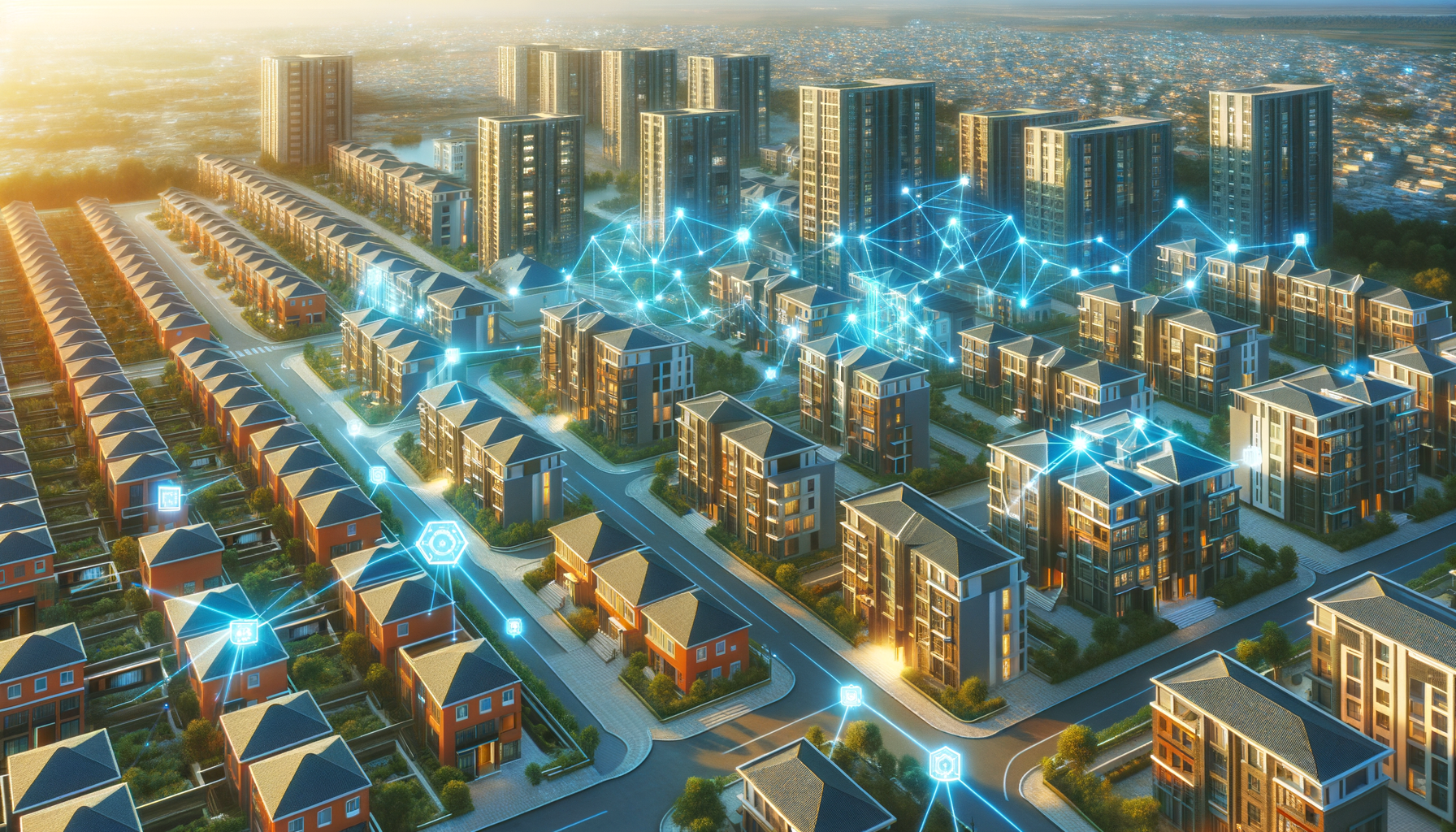
Real estate tokenization represents one of the most significant shifts in property investment this decade. By converting ownership stakes in physical properties into digital tokens on a blockchain, this technology makes it possible for everyday investors to access deals that were once reserved for institutions and ultra-high-net-worth individuals. In 2026, the real estate tokenization market continues to accelerate, and understanding how it works has become essential for anyone interested in fractional property investing.
What Is Real Estate Tokenization?
At its core, real estate tokenization involves creating digital representations of ownership in a property. Think of it this way: instead of one person buying an entire apartment building for $5 million, a platform can divide that building into 5,000 digital tokens, each worth $1,000. Investors purchase tokens to gain proportional ownership, income distributions, and potential appreciation.
These tokens live on a blockchain — the same distributed ledger technology behind cryptocurrencies. However, tokenized real estate differs from crypto speculation in one critical way: each token represents a fractional interest in a real, tangible asset. The underlying property generates rental income, appreciates (or depreciates) based on market conditions, and carries all the characteristics of traditional real estate.
According to the Federal Reserve’s Financial Stability Report, tokenized real-world assets have grown substantially as institutional interest in blockchain-based financial infrastructure expands. Additionally, the National Association of Realtors reports that technology adoption in real estate transactions has reached record levels across both residential and commercial sectors.
How Real Estate Tokenization Works in Practice
The tokenization process follows several key steps. First, a sponsor or platform identifies a property and conducts thorough due diligence. Next, a legal entity — typically a special purpose vehicle (SPV) — takes ownership of the property. The platform then creates digital tokens representing fractional shares of that SPV.
Here is what this means for investors:
- Lower minimum investments: Instead of needing $50,000 or more to participate in a real estate deal, tokenized offerings can start at $500 or even less.
- Automated income distribution: Smart contracts on the blockchain can automatically distribute rental income to token holders based on their ownership percentage.
- Enhanced transparency: Every transaction records on a public ledger, creating an immutable audit trail of ownership and transfers.
- Potential for secondary trading: Some platforms are developing secondary markets where investors can trade tokens before a property exits, which could improve liquidity compared to traditional private real estate.
However, it’s crucial to understand that not all tokenized real estate offerings are created equal. The regulatory framework, the quality of the underlying asset, and the platform’s track record all matter enormously.
The Regulatory Landscape for Tokenized Real Estate
Tokenized real estate securities fall under the same regulatory umbrella as traditional securities offerings. In the United States, platforms must comply with SEC regulations, most commonly through Regulation Crowdfunding (Reg CF) or Regulation D exemptions.
Regulation CF allows companies to raise up to $5 million from both accredited and non-accredited investors. Meanwhile, Regulation D offerings typically limit participation to accredited investors but allow higher raise amounts. The Financial Industry Regulatory Authority (FINRA) oversees broker-dealer compliance for these offerings, and all platforms must register with the appropriate regulatory bodies.
For investors, this regulatory framework provides important protections. Every tokenized real estate offering must file disclosure documents, and platforms must verify investor qualifications. Therefore, when evaluating a tokenized investment, always confirm the offering complies with applicable securities regulations.
Real Estate Tokenization vs. Traditional Fractional Investing
You might wonder how tokenization differs from existing fractional real estate investing models. While both approaches let multiple investors share ownership in a single property, tokenization adds several technological advantages.
Traditional fractional platforms typically manage ownership records in centralized databases. Tokenization, by contrast, records ownership on a decentralized blockchain. This distinction matters for three reasons:
- Immutability: Once recorded on the blockchain, ownership records cannot be altered or disputed. This reduces the risk of record-keeping errors.
- Programmability: Smart contracts can automate complex processes such as income distributions, voting rights, and compliance checks without manual intervention.
- Interoperability: As the ecosystem matures, tokens on standardized blockchains could potentially transfer between platforms, giving investors greater flexibility.
That said, tokenization introduces its own considerations. Blockchain technology adds complexity, and investors should understand the platform’s technology stack and security measures before committing capital.
Key Risks Investors Should Consider
Every investment carries risk, and tokenized real estate is no exception. Specifically, investors should evaluate these factors:
Illiquidity risk: Despite the promise of secondary markets, most tokenized real estate remains relatively illiquid today. Selling tokens before a property exits may prove difficult, and secondary market infrastructure is still developing.
Technology risk: Smart contract bugs, blockchain network congestion, and cybersecurity vulnerabilities represent real threats. Reputable platforms conduct third-party smart contract audits to mitigate these risks, but no system is entirely immune.
Market risk: Tokenized properties are still real estate at their core. Property values can decline due to economic downturns, rising interest rates, or local market conditions. The NAR’s existing home sales data shows how market cycles affect property valuations across regions.
Regulatory risk: The regulatory framework for digital assets continues to evolve. Changes in SEC policy or state-level regulations could affect how tokenized securities operate and trade.
For a deeper understanding of how fund protection works in these structures, explore how escrow accounts safeguard investor capital in crowdfunding offerings.
How to Evaluate a Tokenized Real Estate Opportunity
Before investing in any tokenized property, conduct thorough due diligence. Here is a practical framework:
- Examine the underlying property: Review the location, property type, current occupancy, and projected income. A shiny token wrapper doesn’t change the fundamentals of real estate analysis.
- Research the platform and sponsor: Look for a track record of successful deals, transparent fee structures, and regulatory compliance. Platforms registered as funding portals or working with registered broker-dealers offer an additional layer of oversight.
- Read the offering documents: Every legitimate offering provides a Form C or private placement memorandum detailing the investment terms, risks, and platform structure.
- Understand the fee structure: Tokenized offerings may include platform fees, management fees, and transaction fees. Compare these costs against the projected returns to ensure the economics work.
- Verify smart contract audits: Reputable platforms publish third-party audit reports for their smart contracts. This step helps ensure the technology behind your investment is secure.
Additionally, the U.S. Census Bureau’s new residential construction data can help investors gauge supply trends in markets where tokenized properties are located.
The Future of Real Estate Tokenization
Looking ahead, several trends suggest continued growth in this space. Institutional adoption of blockchain infrastructure accelerates each quarter. Meanwhile, regulatory clarity around digital securities improves as agencies gain experience with tokenized offerings.
Furthermore, improvements in blockchain scalability and reduced transaction costs make tokenization more practical for smaller deals. This means more property types — from single-family rentals to self-storage facilities — may become available through tokenized platforms in the coming years.
For investors who value diversification, real estate tokenization offers an increasingly accessible entry point into commercial and residential properties. However, approaching this space with the same rigor you’d apply to any investment decision remains essential. Understand the asset, evaluate the platform, and ensure the risk profile aligns with your financial goals.
This content is for informational and educational purposes only and does not constitute investment advice. All investments involve risk, including the possible loss of principal. Past performance does not guarantee future results. Securities offered through Invown are speculative, illiquid, and involve a high degree of risk.