

Manufacturing crowdfunding: A Reg CF readiness guide
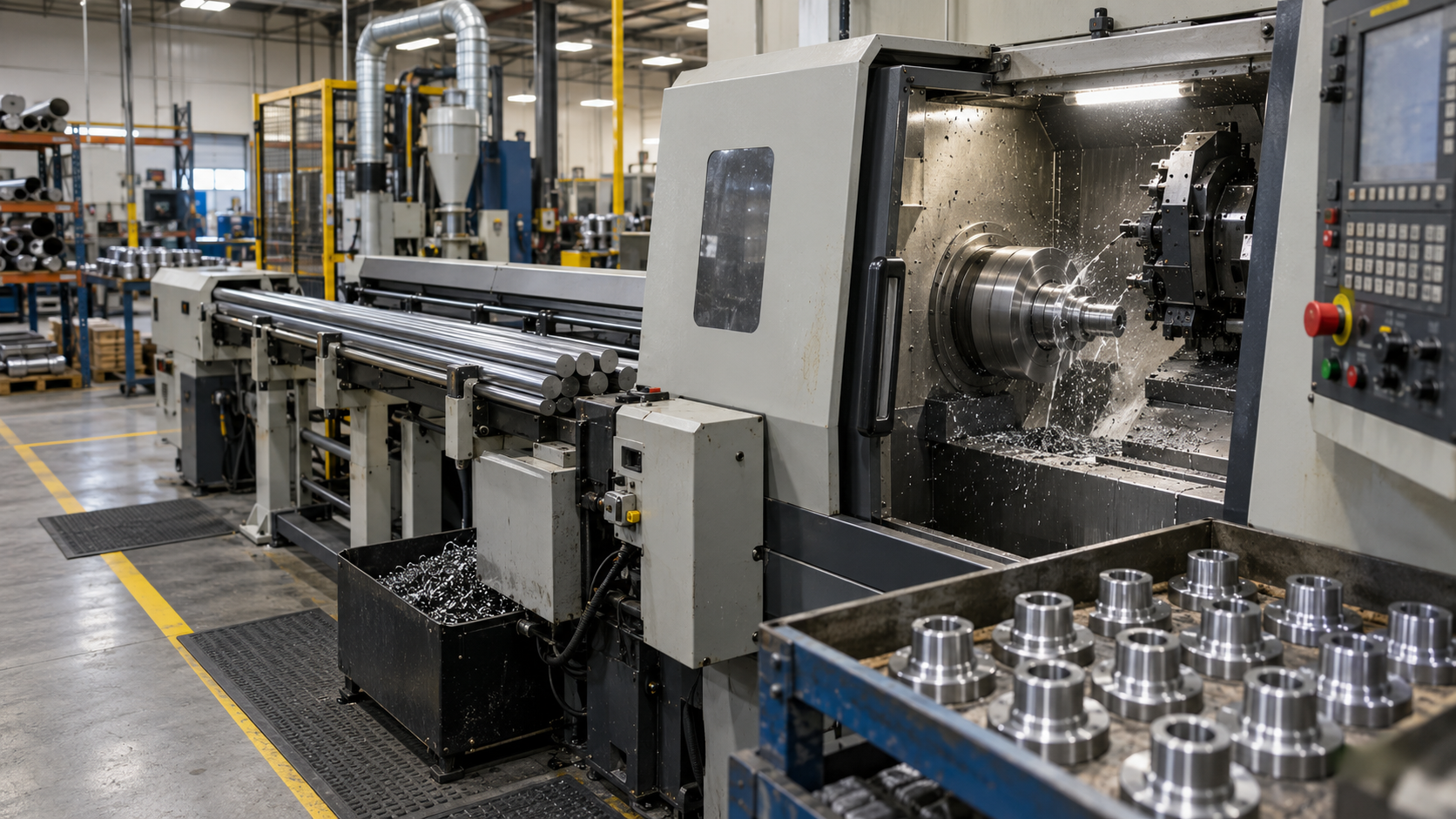
Manufacturing crowdfunding can let an eligible company seek investment through Regulation Crowdfunding, or Reg CF. However, a manufacturer first needs a clearly identified issuer and a supportable production plan. The team should connect equipment, tooling, materials, labor, capacity, quality controls, orders, and working capital to current records. Therefore, a factory, product, patent, or purchase order alone does not establish eligibility, investor demand, or financing fit.
Key takeaways
- First, name the exact company that would offer securities and receive the proceeds.
- Next, show what that issuer owns, leases, licenses, buys, makes, sells, and owes.
- Also, build the use-of-proceeds plan from current quotes, production assumptions, lead times, capacity records, and working-capital needs.
- In addition, separate orders, forecasts, customer interest, and community support from evidence of investment interest.
- Finally, explain material production, supplier, customer, quality, regulatory, and execution risks without promising an operating or fundraising result.
What does manufacturing crowdfunding mean?
Manufacturing crowdfunding is a broad phrase. It can refer to donations, rewards, product preorders, loans, or securities. This guide focuses on a possible securities offering under Reg CF.
Under current SEC rules, an eligible company may raise up to an aggregate $5 million through Reg CF during a 12-month period. In addition, the offering must run through one online intermediary registered with the SEC and FINRA. The issuer files Form C and provides required information to investors and the intermediary.
Reg CF is not a manufacturing certification or a judgment about a product. It does not replace product, workplace, environmental, export, licensing, tax, accounting, or other review. Instead, it is a federal securities pathway that may fit some eligible companies after the issuer and offering facts are supportable.
Moreover, manufacturers use different operating models. For example, one company may design a product while a contract manufacturer builds it. Another company may own machines but license the brand or intellectual property. Meanwhile, a parent company may hold customer contracts while a subsidiary employs the production team. Consequently, the same product can involve very different issuers, assets, cash flows, obligations, and risks.
Start with the legal manufacturing issuer
First, identify the company that would sell the securities. Then, confirm what that company owns, leases, licenses, operates, owes, and may lawfully do.
The consumer-facing brand may not be the issuer. Likewise, a patent holder may not own the equipment or receive customer revenue. A contract manufacturer may produce the goods without owning the product design. Therefore, the offering narrative should not blend separate companies unless the legal and economic facts support that description.
Form C calls for information about the issuer’s business, ownership, officers, directors, capital structure, indebtedness, financial condition, related-party transactions, intended use of proceeds, and material risks. Accordingly, the issuer’s current records should support the public explanation.
Map the production rights
Next, list each material asset and right beside its legal owner or counterparty. Depending on the business, that list may include:
- factory, warehouse, laboratory, or shared production space;
- machines, molds, dies, fixtures, tools, test equipment, and software;
- patents, designs, formulas, source files, process knowledge, and trademarks;
- supplier, contract-manufacturing, distribution, and customer agreements;
- permits, certifications, registrations, warranties, and insurance; and
- inventory, work in process, finished goods, receivables, and deposits.
Next, record the agreement that lets the issuer use an asset it does not own. Also, identify material renewal, termination, consent, exclusivity, volume, transfer, or change-of-control terms for qualified review.
Separate the issuer from affiliates
Manufacturing groups often share people, space, machines, purchasing, intellectual property, or customers. Those arrangements may be reasonable. Still, the issuer should document related-party charges, loans, guarantees, licenses, transfers, and shared services.
In addition, explain where offering proceeds would go. A payment to an affiliate is not the same as a payment to an independent supplier. The public description should reflect the actual relationship and any material conflict or dependency.
Build a manufacturing crowdfunding source file
A useful source file connects each public statement to a current record and a responsible owner. It also separates confirmed facts from assumptions that still need review.
Begin with the company’s legal and financial records. Then, add the manufacturing evidence that supports the capital plan:
- current equipment, tooling, installation, freight, and facility quotes;
- machine capacity, utilization, downtime, maintenance, and changeover records;
- bills of material, routings, scrap assumptions, yields, and inspection results;
- supplier terms, lead times, minimum orders, deposits, alternatives, and concentration;
- customer contracts, purchase orders, backlog records, forecasts, returns, and concentration;
- staffing, training, safety, certification, and quality-system responsibilities;
- inventory aging, work-in-process schedules, finished-goods records, and receivables; and
- permits, approvals, warranties, product tests, and other records material to the plan.
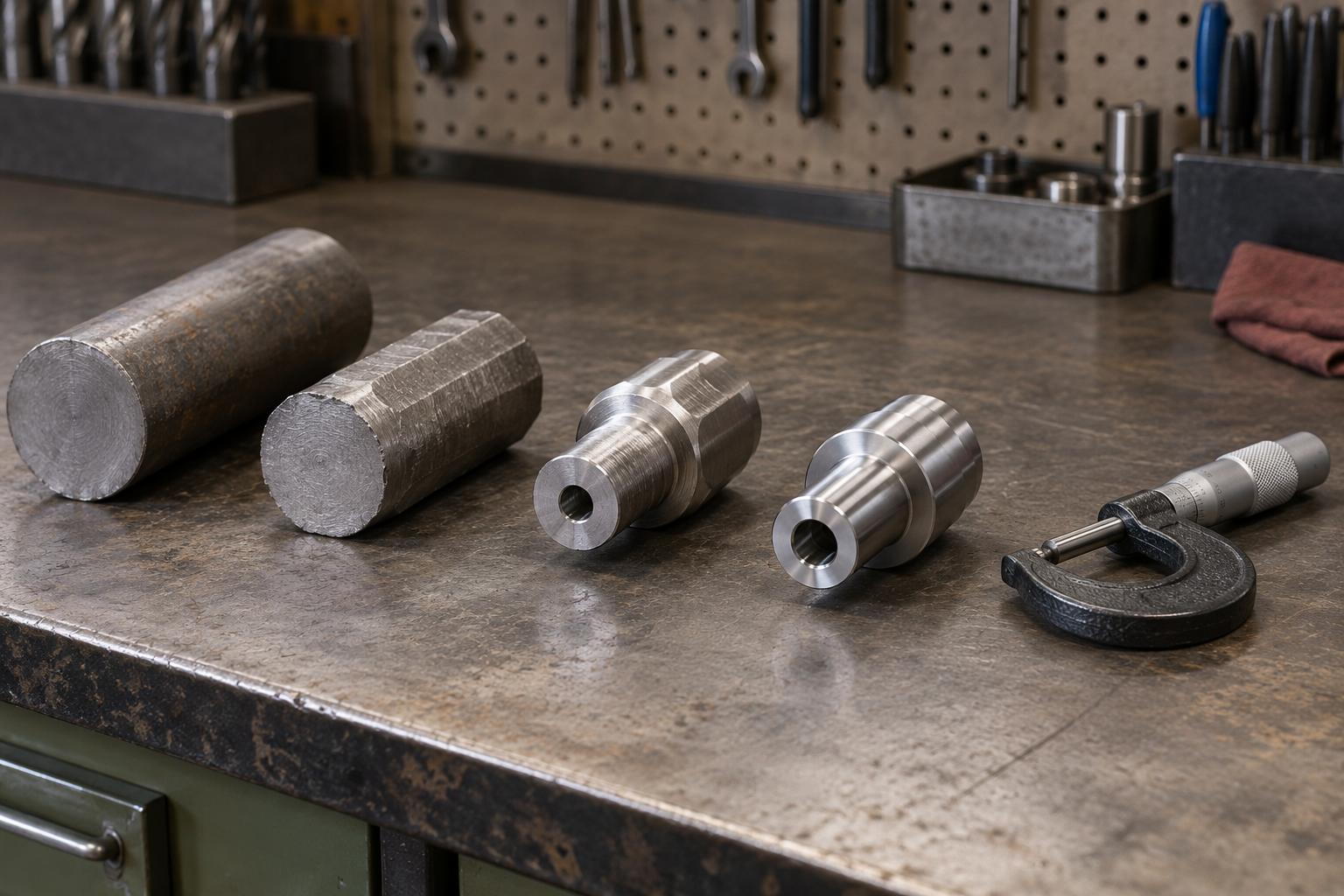
In addition, the source file should preserve dates and versions. For instance, an equipment quote may expire before an offering closes. A customer forecast may change without creating a binding order. Similarly, a test result may cover one product revision rather than the current design.
Therefore, label each item by status. Useful labels include current, expired, draft, conditional, disputed, pending approval, and not yet verified. That discipline helps the team avoid presenting an assumption as a completed fact.
Connect the use of proceeds to the production plan
Reg CF disclosure requires a reasonably detailed description of the intended use of proceeds. For a manufacturer, “buy equipment and grow” is not a sufficient working plan.
Instead, separate the material uses. Depending on the issuer, they may include:
- machine purchase, lease deposit, installation, calibration, or commissioning;
- molds, dies, fixtures, test stands, and production tooling;
- facility deposits, electrical work, ventilation, utilities, or line preparation;
- raw materials, components, packaging, freight, duties, and supplier deposits;
- production hiring and training for the issuer’s own workforce;
- quality, testing, certification, permitting, or warranty work;
- inventory, receivables, and other defined working-capital needs; and
- intermediary, legal, accounting, escrow, communications, and post-close work.
Next, connect each line to a current source. A machine cost should tie to a quote and installation scope. A tooling line should explain ownership, lead time, acceptance criteria, and any required deposit. Likewise, a working-capital line should connect to the operating cycle rather than function as an unexplained reserve.
Show what changes at the target and maximum amounts
The issuer should explain how the plan changes at different offering amounts. For example, the target amount might fund one production cell and its installation. Additional proceeds might support more tooling, material purchases, testing, or working capital in a stated order.
However, do not turn that sequence into a promise. Equipment delivery, installation, validation, hiring, supplier performance, customer acceptance, and other conditions may affect the actual schedule. Moreover, completing a capital project does not guarantee production volume, sales, margin, investor demand, or a fundraising result.
When the capital plan is ready for an intermediary conversation, review Invown’s published issuer process and current pricing information in writing. Those pages describe the current process and fee structure; this article does not restate volatile service terms.
If you want to compare that process with your manufacturing source file, see how raising works. Reviewing the process does not establish eligibility, acceptance, cost, timing, investor demand, or a fundraising result.
Test capacity claims before using them publicly
Capacity statements can sound precise while resting on incomplete assumptions. Therefore, define what the number measures and which constraints it includes.
For example, a rated machine speed is not the same as sellable output. Actual capacity may depend on changeovers, tooling, labor, maintenance, inspection, scrap, rework, supplier availability, facility limits, and customer specifications. In addition, one faster operation may move the bottleneck elsewhere.
Use a documented capacity bridge:
- Current state. Record the present line, shifts, staffing, uptime, yield, changeovers, and measured output.
- Proposed change. Identify the exact machine, tool, layout, supplier, staffing, or process change.
- Dependencies. List installation, utilities, permits, training, validation, materials, and customer approval requirements.
- Expected operating range. State the basis, assumptions, and review status without presenting a forecast as a guaranteed result.
- Evidence owner. Name the person responsible for the record and the date it was last checked.
Likewise, distinguish capacity from demand. A purchase order may be binding, conditional, cancellable, or subject to acceptance. A forecast may guide planning without obligating the customer. A letter of intent may show interest without establishing future revenue.
Reconcile orders, inventory, and working capital
Manufacturing businesses can use cash before a finished product produces a receivable or collection. As a result, the capital plan should connect supplier deposits, material purchases, production time, inspection, shipment, customer terms, and collection timing.
First, reconcile the records. Customer orders should match the named legal entity, product, quantity, price, delivery terms, cancellation rights, and acceptance conditions. Inventory records should distinguish raw material, work in process, finished goods, obsolete stock, customer-owned material, and consigned items where relevant.
Next, explain concentration fairly. One customer or supplier may be strategically important. Still, dependence can create risk if that party delays, cancels, rejects, changes terms, or encounters its own disruption.
Finally, keep historical results separate from plans. A prior production run can support a factual statement about that run. It does not prove that a new line, product, customer, or facility will perform the same way.
Identify manufacturing risks without generic boilerplate
The disclosure process should focus on the risks that matter to the actual issuer and plan. Depending on the business, those risks may include:
- equipment delivery, installation, commissioning, maintenance, or obsolescence;
- tooling ownership, life, transfer, modification, or supplier control;
- single-source materials, long lead times, minimum orders, or price changes;
- quality escapes, scrap, rework, returns, recalls, warranty, or product liability;
- customer concentration, order cancellation, acceptance, payment, or forecast changes;
- facility, utility, labor, safety, environmental, export, or permitting limits;
- intellectual-property ownership, licenses, infringement claims, or trade-secret protection;
- inventory loss, spoilage, damage, obsolescence, or inaccurate records;
- debt, liens, equipment leases, guarantees, or lender consent; and
- the issuer’s ability to maintain investor records and required reports after closing.
The list should not imply that every manufacturer faces every risk. Instead, counsel and the issuer should identify which factors are material, how they connect to the offering, and whether another disclosure needs to change.
When may manufacturing crowdfunding be a poor fit?
Reg CF may not fit the current plan when the legal issuer is unsettled, ownership records are incomplete, financial records are not ready, or critical production rights are undocumented. It may also be premature when the use of proceeds depends on stale quotes, unresolved permits, untested assumptions, or a customer arrangement that the issuer describes more firmly than the contract allows.
In addition, a company should compare other capital paths. Equipment finance, a bank facility, purchase-order finance, supplier terms, grants, strategic investment, or another securities exemption may address a different need. The right comparison depends on the company’s facts and should not be reduced to one article.
Invown’s Help Center offers a broader Reg CF business-fit framework. Use it with qualified legal, accounting, and financial advice rather than treating an industry label as an answer.
Put the manufacturing readiness review into action
A useful manufacturing crowdfunding plan begins with the legal issuer. Next, it maps the rights behind production, builds a current source file, connects proceeds to specific uses, tests capacity statements, reconciles orders and working capital, and identifies material risks. That work can make an intermediary discussion more concrete, but it does not determine eligibility or predict an offering result.
If your team can support the issuer and production plan with current records, see how raising works. Reviewing or starting the process does not establish eligibility, acceptance, cost, timing, investor demand, or a fundraising result.
Frequently asked questions
Can an established manufacturer use Reg CF?
Potentially. Reg CF is not limited to software startups, but the issuer must meet the applicable eligibility and offering requirements. The fit also depends on the proposed security, capital need, records, disclosure readiness, audience, risks, and intermediary review.
Can offering proceeds pay for equipment or inventory?
An issuer may describe equipment, tooling, inventory, working capital, or other business uses when they fit the actual plan. However, Rule 201 requires enough detail for investors to understand the intended use. The description should also address allocation among uses and excess proceeds when applicable.
Does a purchase order prove that the raise will work?
No. A purchase order may support a factual statement about a customer arrangement, subject to its terms. It does not establish investor demand, customer payment, production performance, profitability, or a fundraising result.
Should the manufacturer publish production forecasts?
Not automatically. Projections and forward-looking operating claims need a supported basis, material assumptions, appropriate qualifications, and qualified review. This guide does not recommend including them in a public offering communication.
Does this guide replace legal, accounting, engineering, or manufacturing advice?
No. It is an issuer-readiness framework. It does not determine securities eligibility, disclosure, financial-statement treatment, production feasibility, product compliance, tax treatment, or the obligations of a specific company.
Sources and editorial review notes
Primary and first-party sources reviewed October 7, 2026:
- SEC Regulation Crowdfunding guidance for issuers, used for the offering limit, single-intermediary requirement, eligibility, Form C, issuer disclosure, advertising, and reporting framework.
- 17 CFR 227.100, used for the current exemption requirements and issuer eligibility framework.
- 17 CFR 227.201, used for business, risk, use-of-proceeds, capital-structure, indebtedness, related-party, financial-condition, and financial-statement disclosure requirements.
- FINRA Funding Portal Rule 200(c), applied conservatively to the title, description, excerpt, headings, body, examples, images, alt text, captions, and CTAs.
- Invown’s live issuer process page, pricing page, business-fit Help Center answer, and pre-launch checklist were checked for overlap, current entity wording, internal links, and CTA fit.
This article is educational and is not legal, investment, accounting, engineering, financial, tax, or manufacturing advice. Rules, guidance, service terms, and an issuer’s facts can change. Issuers should coordinate the actual offering and production plan with qualified professionals and the applicable intermediary.